
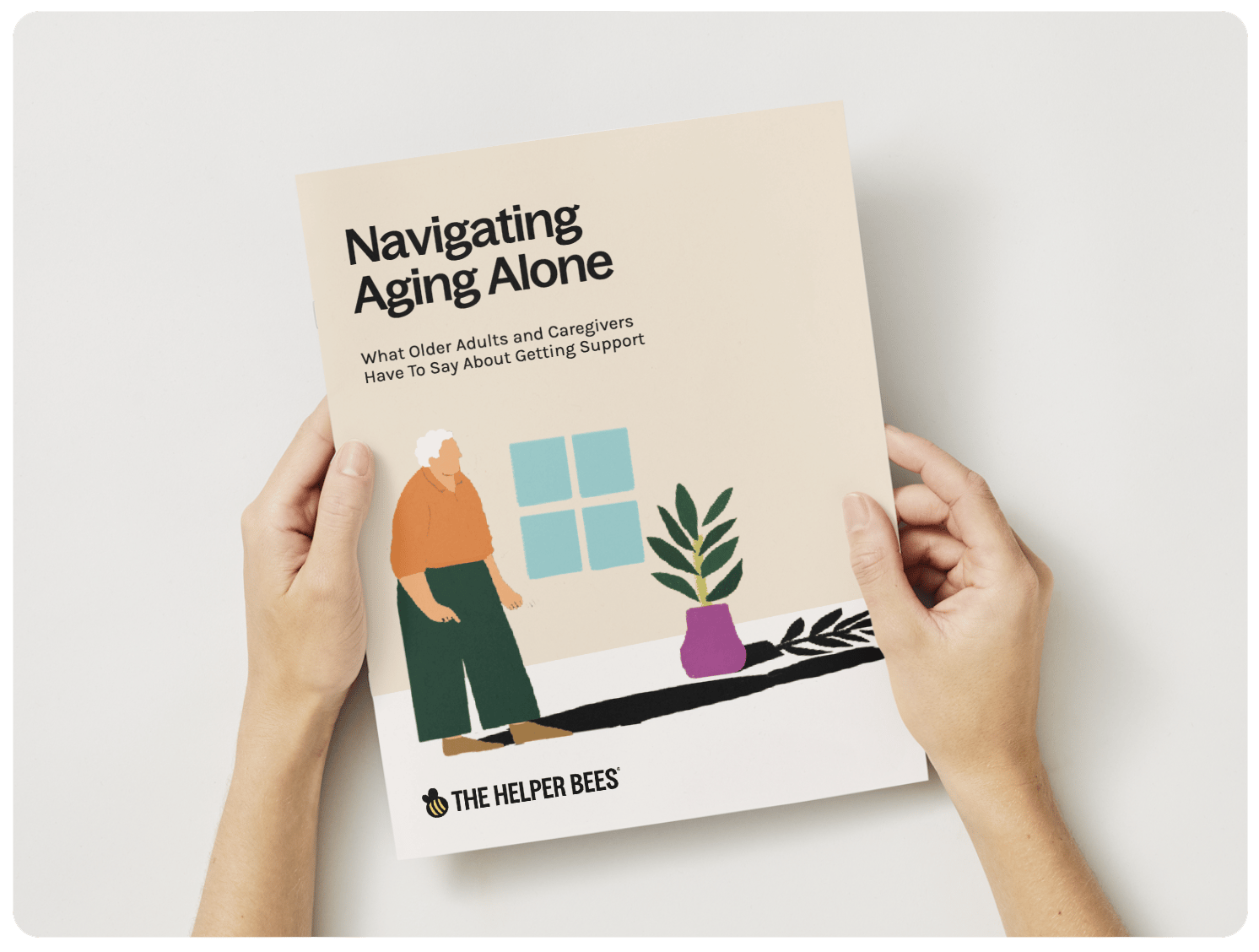

Navigating Aging Alone

What Older Adults and Caregivers
Have To Say About Getting Support

aging_alone

79%

of older adults do not receive any type of in-home support

33%

experienced a fall, hospitalization, or mobility challenge within the past year

22%

serve as a primary caregiver while also managing their own long-term care needs

72%

spend at least three hours a day on devices that could be digital support channels
Companionship

Exploring the Senior Support Gap

There's a difference between aging independently and managing the challenges of aging on your own.
Navigating Aging Alone examines:

  • Older adults' perception of their health compared to their lived experiences
  • The amplified risk of aging for family caregivers
  • Physical decline driven by a repeating cycle of falls/mobility issues and sedentary behavior
  • The kinds of support most valued by different cohorts of older adults
  • Opportunities to increase support utilization through digital communication channels

Read the full white paper to see the potential for in-home support to make an impact on older adults.



Get the white paper


Suggested citation: The Helper Bees. Navigating Aging Alone: What Older Adults and Caregivers Have To Say About Getting Support. June 2026.

Contact The Helper Bees

For additional information or partnership inquiries, please reach out to hello@thehelperbees.com.